How to lose weight with medical supervision in Miami: what to expect
Medically supervised weight loss means a health professional evaluates you, reviews your lab work and adjusts your plan every week. That way the plan is made for your body, not guesswork.
Why start with a medical evaluation
Two people with the same weight can have very different situations: a slow thyroid, prediabetes or high blood pressure. With lab work, the plan is made for your body.
What the lab work checks
- Blood sugar and hemoglobin A1c.
- Thyroid function.
- Kidney and liver function.
- Cholesterol and triglycerides.
What weekly follow-up looks like
Every week you come in for a short visit: weigh-in, how you feel, eating and adjustments. That support is what helps most to stay on track.
You can eat Latin food and still lose weight
You do not have to give up rice, beans or plantains. It is about portions, combinations and timing.
Is there medical treatment for weight loss?
In some cases, and only if the medical evaluation supports it, a treatment can be prescribed. Not everyone is a candidate. We talk it through with your lab results in hand.
Signs of a serious clinic
- They ask for lab work before you start.
- You see a licensed professional, and always the same one.
- They do not promise pounds or dates.
- They explain risks and alternatives.
Would you like a visit in Miami Lakes?
Your safety comes first. I only recommend a weight loss treatment after your medical evaluation, and only if it is right for you. If your plan includes a medication prepared by a compounding pharmacy, I will explain it during your visit: compounded medications are not approved by the FDA. Every body responds differently, so results vary.
Frequently asked questions
How does a medical weight loss program start?
With a medical evaluation that includes lab work.
How often is follow-up?
Once a week at the clinic.
Is everyone a candidate for treatment?
No. It depends on the medical evaluation and the lab work.
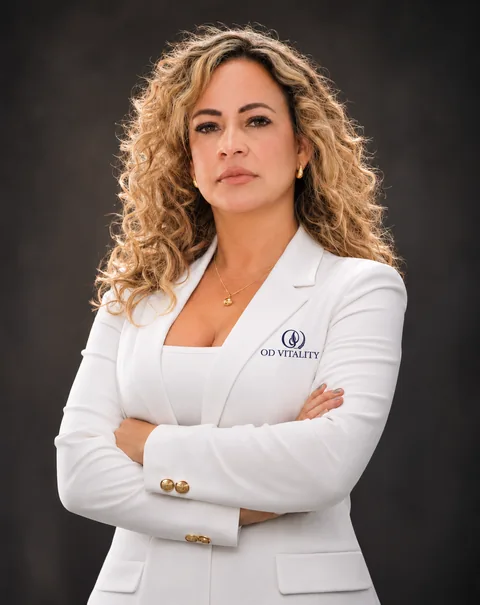
Written by Obdelis Dominguez Romero, MSN, APRN, AGACNP-BC
Family nurse practitioner at OD Vitality, Miami Lakes. See education and license.
This article is for information only and does not replace a medical visit. In an emergency, call 911.